![Gongju Gongsanseong Fortress [UNESCO World Heritage]](https://www.koreaetour.com/wp-content/uploads/2018/04/공산성-1-650x433.jpg "Gongju Gongsanseong Fortress [UNESCO World Heritage]")
Gongju Gongsanseong Fortress
Located in Gongju-si, Gongsanseong Fortress is a mountain castle which was established during the Baekje Period (234-678). The castle is about 2.5km long, and there are two ways of touring the castle.


Located in Gongju-si, Gongsanseong Fortress is a mountain castle which was established during the Baekje Period (234-678). The castle is about 2.5km long, and there are two ways of touring the castle.
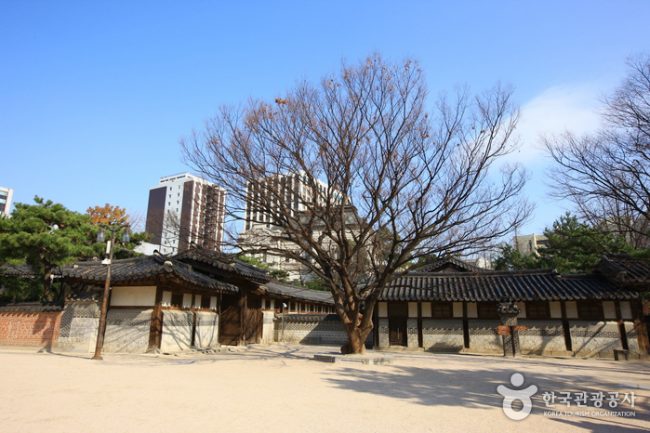
One of the amazing things about Seoul is that some of the most interesting historical sites are right in the middle of the business districts. Located near the Jongno Police Station and the Japanese Cultural Center, Unhyeongung Royal Residence is one such site.
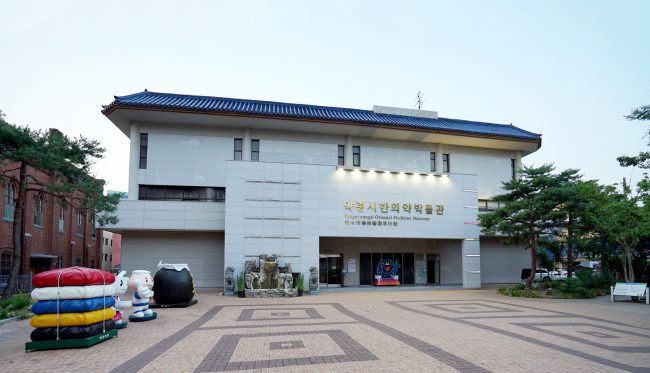
Yangnyeongsi Oriental Medicine Cultural Center was established in 1993. On the first floor is the herbal medicine market, which opens every five days and sells different types of herbal medicine from across the country.
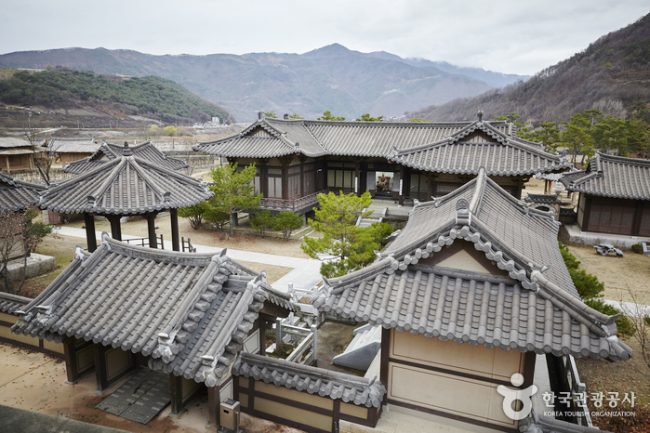
Located to the west of Sobaeksan National Park and Guinsa Temple, Ondal Tourist Park spans a vast area of 97,011 square meters. The attractions and facilities in the park include an area for folk games, a sports town, inns, local restaurants, local product stores, picnic grounds, Ondalchon village…
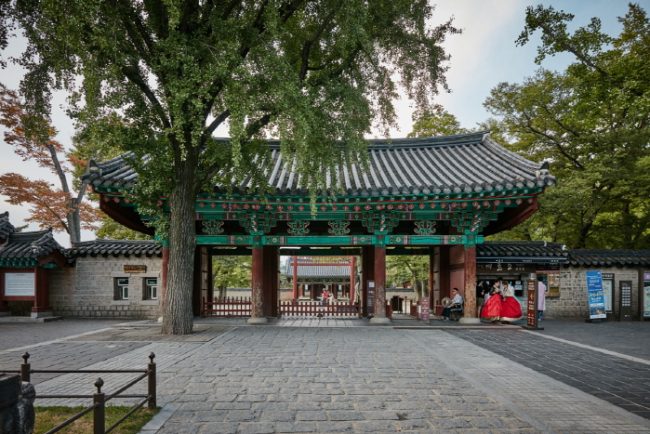
Jeonju Hyanggyo is a Confucian school that was established during the Joseon Dynasty (1392-1910) and is designated historical treasure No. 379. This was a national education center during the Joseon period. The school was originally located at the Gyeonggijeon Shrine site, but was relocated in 1603…
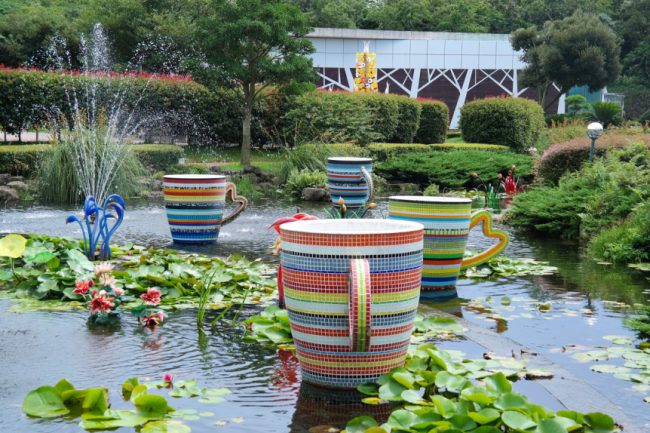
Visitors to ‘Jeju Glass Castle’ will be entranced by its magical atmosphere. ‘Jeju Glass Castle’ is a glass art theme park featuring an exhibition hall, garden and models all made entirely out of glass…
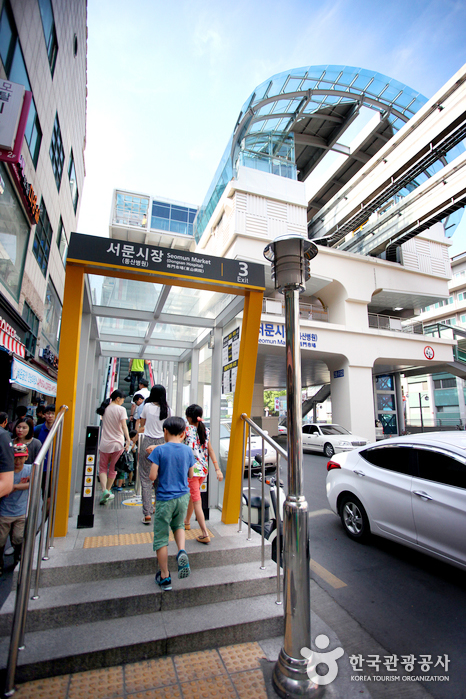
Seomun Market (formerly known as Daegu-Keun Market) of Daegu is steeped in history. Along with Pyeongyang Market and Ganggyeong Market, Seomun Market was one of the three main markets during the Joseon Dynasty.
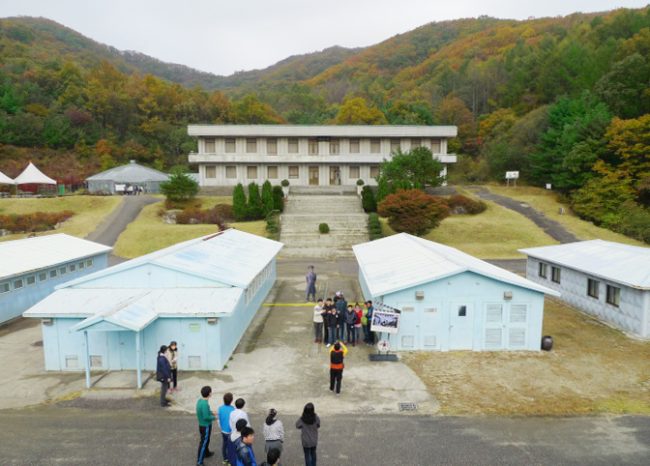
Located in Joan-myeon, Namyangju-si, Gyeonggi-do, KOFIC Namyangju Studios is a film-making studio complex built on a 1,323,113㎡ site with an outdoor filming studio, 6 indoor studios of different sizes, a recording studio, and various film-making equipment…
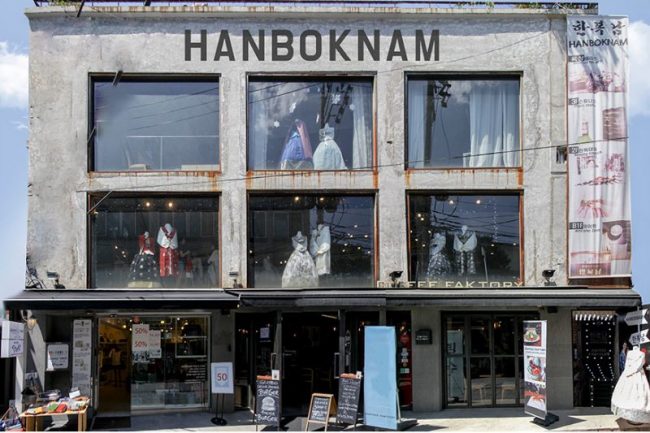
HanbokNam is a Hanbok culture-entertainment company that strives to create a culture that celebrates Hanbok, the traditional Korean clothing…

First established in 1929, the Buyeo National Museum was reopened in August 1993 at the current location. The museum has 4 exhibition halls and an outdoor exhibit with a total of about 1,000 relics on display. The Prehistoric Hall presents representative relics from the Bronze Age and the Iron Age found in Buyeo and the nearby Chungcheongnam-do area…