

Korea’s Intangible Cultural Heritage: Living Traditions Beyond Time
South Korea’s intangible heritage is not locked in museums — it moves, breathes, and evolves.
From shamanic chants on Jeju Island to the quiet art of wooden architecture, every gesture tells a story of harmony, resilience, and identity.
Since 2001, Korea has seen more than twenty traditions inscribed on UNESCO’s Intangible Cultural Heritage List, each representing a living link between past and present.
🎵 1. Music, Poetry & Performing Arts in Korean UNESCO Intangible Heritage
Pansori
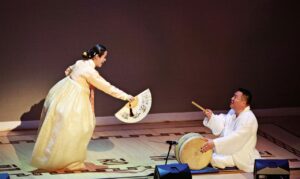
🎶 Pansori – Narrative Epic Chant (initially 2003, inscribed 2008)
A singer, a drummer, and an ocean of emotion. Pansori turns Korean folktales into raw, captivating performances that blend humor, tragedy, and improvisation.
🎟 Experience: Live shows at the National Gugak Center or Jeonju’s Pansori Theater.
🎼 Gagok – Lyric Song of Refinement (2010)
An elegant musical form combining poetry and song, once reserved for scholars.
🎟 Experience: Concerts at the Gugak Center or in Seoul’s royal palaces.
🎤 Arirang – Folk Song of Korea (2012)
Korea’s unofficial anthem, echoing in festivals, K-dramas, and daily life. Each region has its own melody, but all express longing (han) and hope.
🎟 Experience: Arirang festivals in Jeongseon, Miryang, and Jeonju.
🪘 Namsadang Nori – Itinerant Performance (2009)
Traveling troupes performing acrobatics, drumming, puppetry, and satire — Korea’s earliest street theater.
🎟 Experience: Performances in Anseong and heritage festivals.
🎭 Talchum – Mask Dance Drama (2022)
Half dance, half social commentary, Talchum satirizes power, greed, and hypocrisy with humor and spirit.
🎟 Experience: Andong Mask Dance Festival (September–October).
🥁 Nongak – Community Band Music and Dance (2014)
Lively rhythms once used to boost village morale during harvest.
🎟 Experience: Join a local festival or try drumming workshops in Jeonju.
🕯 2. Rituals, Beliefs & Ceremonies in Korean UNESCO Intangible Heritage
👑 Royal Ancestral Rite and Ritual Music at Jongmyo Shrine (initially 2001, inscribed 2008)
The cultural heritage of confucian ceremony honoring Joseon kings, performed every May at Jongmyo Shrine in Seoul.
🎟 Experience: The annual Jongmyo Daeje reenactment is open to visitors.
🕊 Yeongsanjae – Buddhist Ritual (2009)
A serene blend of prayer, music, and dance symbolizing the Buddha’s teachings.
🎟 Experience: Temple stays and public ceremonies across the country.
🌊 Jeju Chilmeoridang Yeongdeunggut – Sea Goddess Ritual (2009)
A shamanic rite led by female shamans (mudang), honoring the sea goddess Yeongdeung.
🎟 Experience: Witnessed each February–March in Jeju fishing villages.
💃 Cheoyongmu – Court Dance (2009)
A royal dance to ward off evil spirits, graceful and symbolic, performed by masked dancers.
🎟 Experience: Cultural events at Gyeongbokgung Palace or National Theater.
🕯 Yeondeunghoe – Lantern Lighting Festival (2020)
A radiant Buddhist festival celebrating enlightenment and compassion, illuminating Seoul in May.
🎟 Experience: Jogyesa Temple and downtown Seoul lantern parade.
🌕 Gangneung Danoje Festival (initially 2005, inscribed 2008)
A midsummer celebration mixing rituals, folk games, and shamanic performances.
🎟 Experience: The Dano Festival in Gangneung (June).
🧶 3. Traditional Crafts & Skills in Korean UNESCO Intangible Heritage
Daemokjang
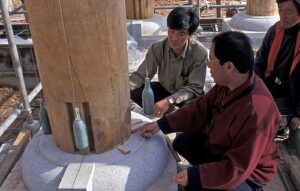
🪵 Daemokjang – Traditional Wooden Architecture Craftsmanship (2010)
Master carpenters preserve centuries-old temple and palace architecture without nails, guided by harmony with nature.
🎟 Experience: Visit restoration workshops at Jongmyo or Bulguksa Temples.
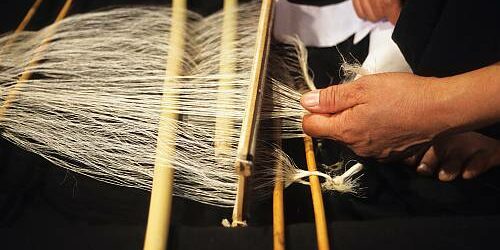
🧵 Weaving of Mosi (Hansan Ramie) (2011)
A fine, breathable fabric woven from ramie fiber, worn in summer since the Baekje Kingdom.
🎟 Experience: Hansan Mosi Museum in Seocheon offers weaving workshops.
🪶 Falconry – A Living Human Heritage (2021 extension, multinational)
This korean heritage tradition practiced for centuries across Eurasia, falconry in Korea remains a link between humans, birds, and the natural world.
🎟 Experience: Demonstrations during cultural fairs and wildlife festivals.
Weaving of Mosi
⚔️ 4. Physical Arts & Community Games in Korean UNESCO Intangible Heritage
🥋 Taekkyeon – Traditional Martial Art (2011)
Recognized as the ancestor of Taekwondo, Taekkyeon is more dance than combat — fluid, rhythmic, and precise.
🎟 Experience: Demonstrations and beginner sessions in Seoul’s sports halls.
🧩 Ssireum – Traditional Korean Wrestling (2018, joint ROK–DPRK inscription)
A friendly wrestling sport where skill outweighs brute force.
🎟 Experience: Try local tournaments during autumn fairs.
🪢 Tugging Rituals and Games (2015, multinational)
This UNESCO Intangible Heritage of Korea symbolizing unity and fertility, these communal rope-pulling games are still played during regional festivals.
🎟 Experience: Yeongwol and Namwon hold annual reenactments.
🥢 5. Culinary and Everyday Heritage
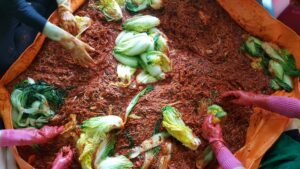
Kimchijang
🥬 Kimjang – Making and Sharing Kimchi (2013)
The winter tradition of kimchi preparation unites families and neighbors.
🎟 Experience: Participate in kimchi-making festivals in Seoul or Jeonju (November).
🍶 Knowledge, Beliefs, and Practices Related to Jang-Making (2024)
Doenjang (soybean paste), gochujang (chili paste), and ganjang (soy sauce) are more than ingredients — they’re symbols of patience and balance.
🎟 Experience: Fermentation workshops and cultural farms in Sunchang or Gyeonggi Province.
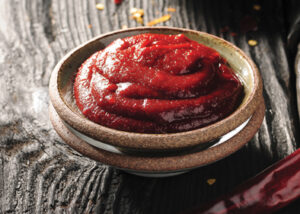
Gochujang
🎇 6. Shared Celebrations & Collective Arts
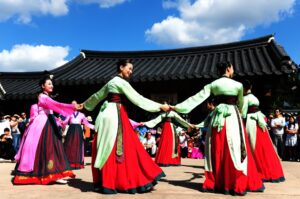
Ganggangsullae
🔔 Ganggangsullae – Circle Dance (2009)
Performed by women under the full moon, this dance celebrates harvest, sisterhood, and the rhythm of life.
🎟 Experience: Autumn harvest festivals in Jeolla and Gyeongsang provinces.
🌾 Namsadang Nori (reprise 2009)
(Already above in performing arts but also communal → ok keep.)
🪔 Tugging rituals, Danoje, Yeondeunghoe (mentioned as symbolic of togetherness).
✨ Heritage That Breathes
From the chants of pansori to the quiet patience of jang-making, Korea’s intangible heritage is a living mirror of its people.
It is not a collection of artifacts, but a continuous act of creation — an invitation for travelers to see, listen, taste, and join.
Whether under a lantern’s glow or at a village table, heritage here isn’t remembered — it’s relived
You can find the full UNESCO Intangible Heritage list here, including several Korean traditions recognized worldwide.