

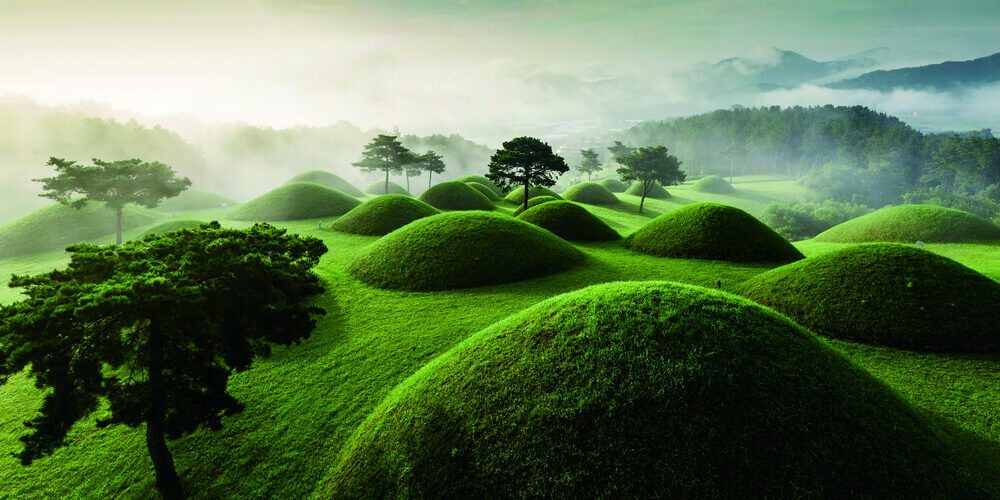
The UNESCO Heritage of South Korea :
From Timeless Monuments to Living Traditions
-
- Changgyeonggung
-
- Nongak
-
- Gyeongju
South Korea is a land where time flows in layers — between ancient fortresses and futuristic skylines, silent temples and rhythmic festivals.
Seventeen sites across the country are recognized by UNESCO’s World Heritage List, each revealing a different facet of Korea’s identity — its devotion, creativity, and resilience.
Yet Korea’s heritage doesn’t stop at monuments. It continues to breathe through the gestures, songs, and shared rituals that still shape everyday life.
Let’s journey through the country’s 17 tangible wonders, before stepping into the living heartbeat of its intangible traditions.
🏯 World Heritage Sites in South Korea
(Chronological order of inscription – 17 sites as of 2025)
1995 – Faith, Knowledge & Preservation
📍 Haeinsa Temple Janggyeong Panjeon (Hapcheon)
Home to the Tripitaka Koreana, more than 80,000 carved woodblocks of Buddhist scripture — the most complete in existence. A timeless symbol of wisdom and devotion.
📍 Jongmyo Shrine (Seoul)
A Confucian sanctuary honoring the ancestral spirits of the Joseon Dynasty. Its architecture and ritual music (Jeryeak) embody balance, respect, and quiet majesty.
📍 Seokguram Grotto & Bulguksa Temple (Gyeongju)
Masterpieces of Silla Buddhist art — the Seokguram Buddha carved into the mountainside gazes east toward enlightenment, while Bulguksa stands as a harmony of stone and faith.
-
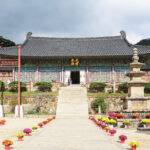
- Haeinsa Temple Janggyeong Panjeon
-
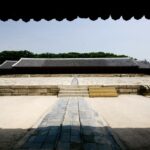
- Jongmyo Shrine
-
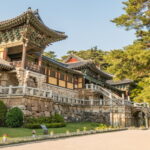
- Seokguram Grotto Bulguksa Temple
1997 – Harmony and Innovation
📍 Changdeokgung Palace Complex (Seoul)
A royal residence perfectly merged with its natural surroundings. Its Secret Garden (Huwon) remains one of Seoul’s most serene treasures.
📍 Hwaseong Fortress (Suwon)
Built in 1796 under King Jeongjo, the fortress combines artistry and military engineering — a living panorama of Joseon ingenuity and urban beauty.
-
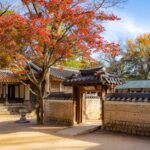
- Changdeokgung Palace Complex
-
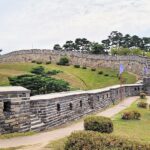
- Hwaseong Fortress
2000 – Ancient Echoes
📍 Gochang, Hwasun & Ganghwa Dolmen Sites
Thousands of megalithic tombs marking Korea’s prehistoric landscape — silent witnesses of early societies.
📍 Gyeongju Historic Areas
The heart of the Silla Kingdom, filled with royal tombs, pagodas, and temples — a city where every stone tells a story of faith and refinement.
-
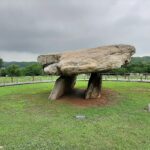
- Gochang Hwasun Ganghwa Dolmen Sites
-
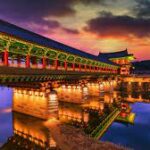
- Gyeongju
2007 – Nature’s Masterpiece
📍 Jeju Volcanic Island & Lava Tubes
The only natural heritage site in Korea. Jeju’s volcanic cones, lava caves, and Mount Hallasan form a surreal landscape where geology meets mythology.
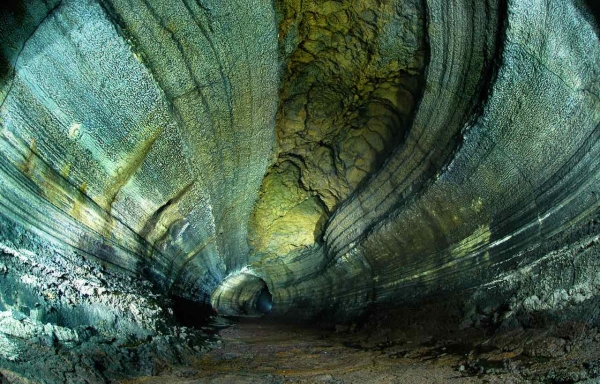
Jeju Lava Tubes
2009–2015 – Kings, Villages & Fortresses
📍 Royal Tombs of the Joseon Dynasty (2009)
Forty royal resting sites nestled in harmony with nature, uniting geomancy, architecture, and ritual.
📍 Historic Villages of Korea: Hahoe & Yangdong (2010)
Confucian villages preserved in time — their traditional houses (hanok) and ancestral customs reflect the ideals of harmony and learning.
📍 Namhansanseong (2014)
A mountain fortress that served as an emergency capital during invasions. Today, its walls offer sweeping views and echoes of courage.
📍 Baekje Historic Areas (2015)
Remnants of the Baekje Kingdom — temples, fortresses, and tombs that bridged cultural exchanges between Korea, China, and Japan.
-
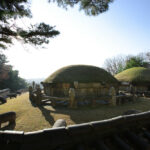
- Royal Tombs of the Joseon Dynasty
-
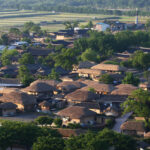
- Hahoe & Yangdong
-
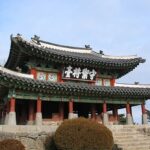
- Namhansanseong
-
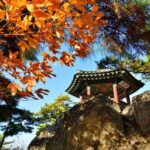
- Baekje Historic Areas
2018–2023 – Spirit, Study & Renewal
📍 Sansa: Buddhist Mountain Monasteries (2018)
Seven mountain monasteries still active today, embodying Korea’s deep spiritual life and artistic devotion.
📍 Seowon: Korean Neo-Confucian Academies (2019)
Rural academies where philosophy met nature. These sites represent Korea’s intellectual heritage and moral education under the Joseon Dynasty.
📍 Getbol, Korean Tidal Flats (2021)
This vast network of coastal wetlands stretches across four regions of Korea’s southwestern coast. Home to countless migratory bird species and unique marine life, Getbol stands as a living reminder that heritage includes the ecosystems sustaining us.
📍 Gaya Tumuli (2023)
The newest addition — ancient tomb clusters from the Gaya Confederacy, illuminating a once-forgotten chapter of Korean civilization.
📍 Petroglyphs along the Bangucheon Stream (Ulsan) (2025)
Inscribed in 2025, these prehistoric rock carvings depict whales, hunters, and daily life along the river. Etched thousands of years ago, they reveal Korea’s deep maritime culture and the creativity of its earliest people — bridging art, survival, and storytelling in stoneone.
-
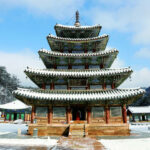
- Sansa
-
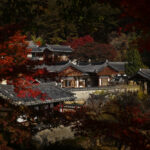
- Seowon
-
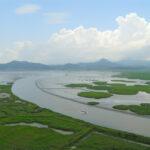
- Getbol
-
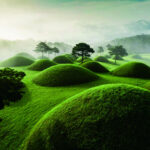
- Gaya Tumuli
-
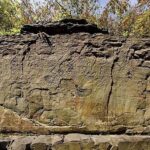
- Petroglyphs along the Bangucheon Stream
🌏 From Stones to Souls
Transition to intangible heritage
These monuments stand still — but Korea’s culture keeps moving.
Beyond palaces and fortresses, the nation’s heritage beats in the rhythm of its festivals, the flavor of its cuisine, and the craft of its artisans.
This is the intangible heritage — 23 living traditions recognized by UNESCO, where history is performed, sung, shared, and tasted.
🎎 Intangible Cultural Heritage of Korea (UNESCO List)
| Year | Element | Note |
|---|---|---|
| 2008 | Royal Ancestral Rite & Ritual Music at Jongmyo Shrine | initially 2001 |
| 2008 | Pansori – Narrative Epic Chant | initially 2003 |
| 2008 | Gangneung Danoje Festival | initially 2005 |
| 2009 | Namsadang Nori – Itinerant Performance | |
| 2009 | Yeongsanjae – Buddhist Ritual | |
| 2009 | Cheoyongmu – Court Dance | |
| 2009 | Jeju Chilmeoridang Yeongdeunggut – Sea Goddess Ritual | |
| 2009 | Ganggangsullae – Circle Dance | |
| 2010 | Daemokjang – Wooden Architecture Craftsmanship | |
| 2010 | Gagok – Lyric Song | |
| 2011 | Weaving of Mosi (Hansan Ramie) | |
| 2011 | Jultagi – Tightrope Walking | |
| 2011 | Taekkyeon – Martial Art | |
| 2012 | Arirang – Folk Song | |
| 2013 | Kimjang – Making and Sharing Kimchi | |
| 2014 | Nongak – Community Band Music & Dance | |
| 2015 | Tugging Rituals and Games | multinational |
| 2016 | Jeju Haenyeo – Women Divers | |
| 2018 | Ssireum – Traditional Korean Wrestling | joint ROK–DPRK |
| 2020 | Yeondeunghoe – Lantern Lighting Festival | |
| 2021 | Falconry – A Living Human Heritage | extension year |
| 2022 | Talchum – Mask Dance Drama | |
| 2024 | Knowledge, Beliefs, and Practices Related to Jang-Making |
-
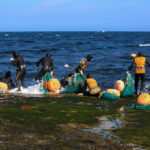
- Haenyeo
-
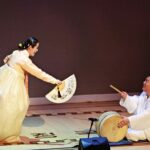
- Pansori
-
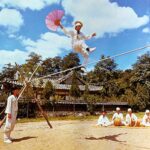
- Jultagi
✨ A Heritage to Live, Not Just to See
To understand Korea, you can’t just look — you must join.
Listen to the voice of a Pansori singer, share a bowl of Kimchi made during Kimjang, or watch the fearless Haenyeo of Jeju dive beneath the waves.
Each gesture, each melody, each taste keeps Korea’s soul alive.
These 23 living traditions are not museum pieces — they are living memories, passed hand to hand, heart to heart.
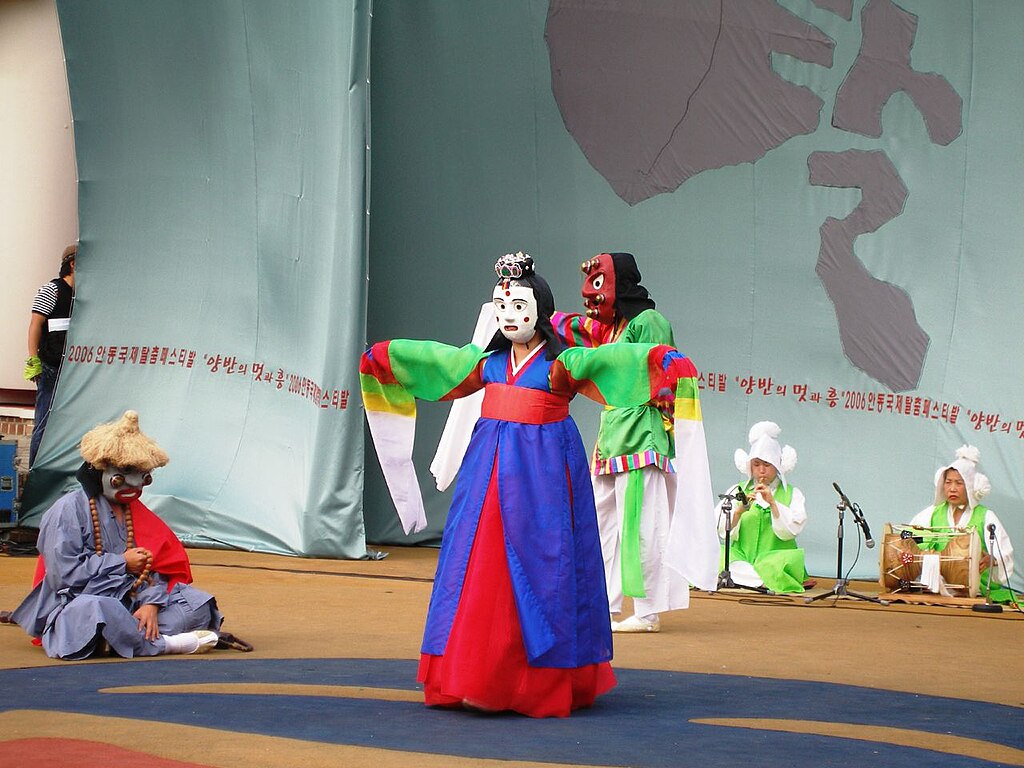
Talchum
From the sacred halls of Haeinsa to the rhythmic pulse of Arirang, South Korea’s heritage forms a living bridge between the visible and the invisible, the eternal and the everyday.
Several Korean sites, including Gyeongbokgung Palace and the Jongmyo Shrine, are part of the UNESCO World Heritage List