

Temple Stay in Korea:
A Complete Guide to Experiencing Korean Buddhist Culture
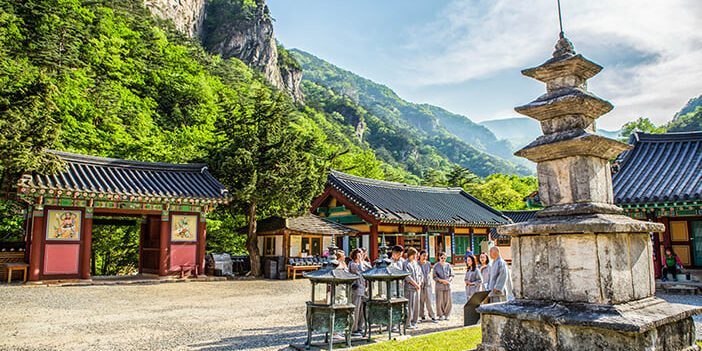
If you’re looking for a travel experience in Korea that goes beyond sightseeing and shopping, a Temple Stay may be exactly what you need. These retreats offer visitors a chance to step away from city life and immerse themselves in Korean Buddhist traditions, meditation, and peaceful nature.
A Temple Stay is not just accommodation inside a temple — it is an opportunity to rest, breathe, reflect, and experience Korean culture from the inside. Whether you’re spiritual or simply curious, this program is one of the most meaningful experiences you can have in Korea.
Temple
What Is a Temple Stay?
A Temple Stay is a cultural program created by the Jogye Order of Korean Buddhism. Guests spend one or more nights inside a Buddhist temple while experiencing traditional monastic life. Programs vary by temple, but they usually include:
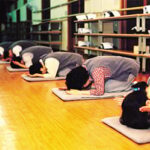
- 108 prostrations (a symbolic meditation ritual)
- Tea ceremony with a monk
- Meditation sessions (seated, walking, or lying)
- Temple tour and history introduction
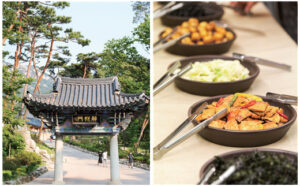
- Balwoo gongyang – traditional Buddhist communal meal
- Morning chanting at dawn
You don’t need to be Buddhist to join. The program focuses on cultural experience, mindfulness, and inner calm.
-
- Prostrations
-
- Temple stay
-
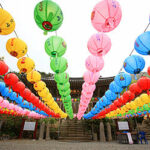
- Lanterns
Who Should Try a Temple Stay?
A Temple Stay is perfect for travelers who want:
- A peaceful break from busy Seoul or Busan
- A deeper cultural experience beyond K-pop and street food
- Time to reconnect with themselves
- A chance to learn meditation or traditional practices
It is also one of the best solo activities in Korea: calm, safe, structured, and incredibly soothing.
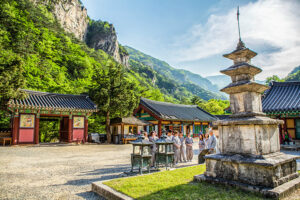
Temple
Types of Temple Stay Programs
Different temples offer different programs, often divided into two main categories:
1. Experience-Based Program
Includes guided activities such as tea ceremony, meditation, lotus lantern making, temple tour, and conversations with monks.
2. Relaxation or “Resting” Program
Designed for people who want silence, nature, and rest. Fewer scheduled activities, more free time. Perfect for healing and reflection.
Best Temples for Foreigners
While dozens of temples offer Temple Stay programs, some are especially foreigner-friendly and easy to reach.
1. Jogyesa (Seoul)
The main temple of the Jogye Order. Very accessible, beginner-friendly, and offers English guidance. Great if you don’t want to travel far from the city.
2. Bongeunsa (Seoul – Gangnam)
A stunning temple facing COEX, mixing tradition and modern Seoul. Known for its peaceful garden paths and excellent cultural explanations.
3. Haeinsa Temple (Gayasan National Park)
Home to the Tripitaka Koreana. A UNESCO World Heritage site with deep historical significance. More remote — perfect for nature lovers.
4. Bulguksa Temple (Gyeongju)
Another UNESCO site. Combines Korea’s ancient capital atmosphere with a serene temple program. Beautiful cherry blossoms in spring.
5. Baegyangsa (Jeollanam-do)
Known for fall foliage, mountain scenery, and very peaceful resting programs.
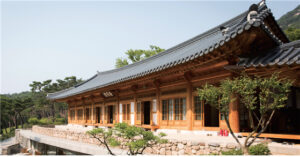
Temple
How to Book a Temple Stay (Foreigner-Friendly)
Booking is extremely simple — and most temples accept foreign visitors through a centralized English website.
- Official Temple Stay Website: https://eng.templestay.com
- Create an account or book as a guest
- Choose your temple and program
- Select your date and pay online
Some temples also accept:
- Instagram DM (for modern temples like Bongeunsa)
- Phone reservations (most have English-speaking staff)
- Tour platforms: Trazy, Klook, Creatrip
What to Bring to a Temple Stay
- Comfortable clothes
- Warm layers (temples can be cold)
- Water bottle
- Minimal toiletries
- Notebook or journal
Temples usually provide:
- Uniform (vest & pants)
- Blanket and bedding
- Basic toiletries
No need for makeup, perfume, or anything fancy — temple life is simple.
Temple Stay Etiquette
Even if you’re not Buddhist, following basic etiquette is important.
- Speak quietly, walk slowly
- No alcohol or smoking
- No revealing clothes
- Follow the schedule (waking up early is part of the experience!)
- Respect monks and other participants
Temple life is peaceful and respectful — and the more you embrace it, the more meaningful it becomes.
Temple
How Much Does a Temple Stay Cost?
Prices vary, but most programs cost between:
- 40,000 won – 70,000 won for one-day experiences
- 70,000 won – 120,000 won for overnight programs
This includes meals, lodging, activities, and cultural guidance. It is one of the best value cultural experiences in Korea.
Is a Temple Stay Difficult?
No — but it is different from hotel life. Expect early mornings, simple meals, quiet time, and slow routines. For many travelers, this is the best part: it forces you to pause and breathe.
Even if you have no experience with meditation, the monks guide you gently.
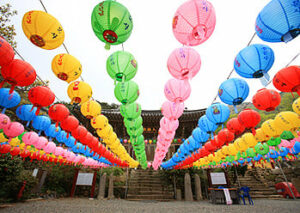
Lanterns
A Temple Stay is one of the most memorable cultural experiences you can have in Korea. Whether you want healing, peace, or cultural discovery, these programs offer a rare chance to slow down and reconnect with yourself.
If you’re planning a unique trip to Korea, add a Temple Stay to your itinerary — your mind and heart will thank you.