

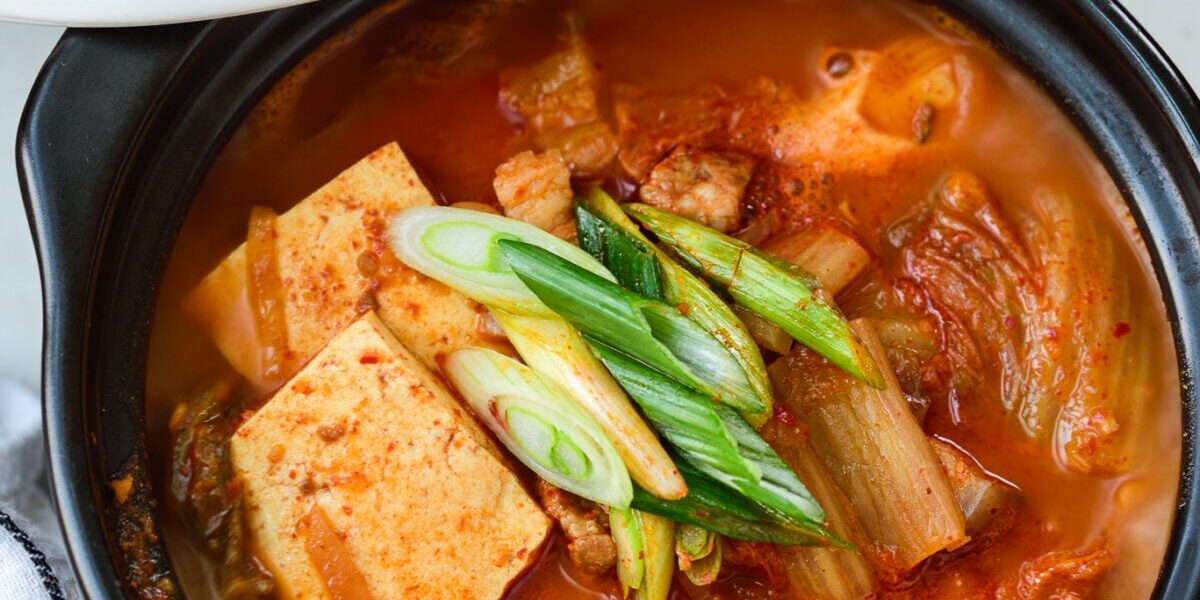
Food Allergies in South Korea: A Practical Guide for Travelers & Expats
South Korea is a food lover’s paradise, but its cuisine can pose challenges for people with food allergies or dietary restrictions. Understanding common allergens, how to communicate them, and how Korean restaurants typically handle food can make your experience here safer and more enjoyable.
🍲 Common Allergens and Where They Appear
Korean food is rich and diverse, but many dishes contain ingredients that may trigger allergic reactions. Some of the most common allergens to be aware of include:
- Seafood (shellfish and crustaceans) – A staple in many dishes like haemul pajeon (seafood pancake), jjampong (spicy seafood noodle soup) and stir-fried squid.
- Soy – Found in soy sauce (ganjang), fermented soybean paste (doenjang), tofu and many soups and side dishes.
- Wheat/Gluten – In noodle dishes like jajangmyeon, kalguksu, fried foods and many sauces.
- Eggs – Used in dishes like gyeran-jjim (steamed eggs) and jeon (pancakes).
- Peanuts and Tree Nuts – Not as traditional but common in desserts, fusion cuisine and packaged snacks.
- Dairy – Increasingly common in baked goods, desserts and café drinks.
- Sesame – Sesame seeds and oil are widely used, including in bibimbap and many banchan (side dishes).
Even dishes that appear vegetarian or simple may include hidden allergens like fish sauce or anchovy broth — common flavor bases in Korean cooking.
-
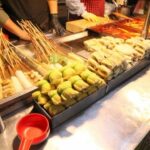
- Eomuk tang
-
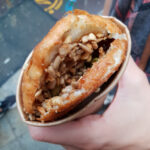
- Hotteok
-
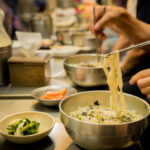
- Kalguksu
🗣️ Communicating Your Allergies
Many restaurants in Korea may not automatically ask about allergies, so communication is key:
- Carry a food allergy card written in Korean showing your specific allergies. This helps restaurant staff understand your needs instantly.
- Use translation tools like Papago (Naver) with camera translation to read menus and labels.
- Learn simple phrases like:
이 음식에 (allergen) 들어 있어요? – “Does this food contain (allergen)?
Example:
이 음식에 땅콩 들어 있어요? – “Does this food contain peanuts?”
📍 Tips for Eating Out Safely
Here are practical tips for dining with allergies in Korea:
- Avoid street food or busy markets if you’re unsure what’s in the food.
- Ask clearly about ingredients before ordering, especially for sauces and broths that may contain soy, fish, or wheat.
- Choose restaurants with English menus or those that cater to international customers — often more allergy-aware.
- Carry snacks that are safe for you, especially if you have severe allergies.
Many travelers report that traditional Korean dishes like bibimbap, kimbap, BBQ, and tteokbokki *can be safe* if you check ingredients carefully.
📞 What to Do in Case of an Emergency
If you experience an allergic reaction despite precautions:
- Go to the nearest hospital or emergency room immediately.
- Call 119 for an ambulance if needed.
- Have your allergy card and, if possible, a Korean speaker assist you — emergency operators may not always speak English fluently.
A few pharmacies can provide antihistamines for mild symptoms, but serious reactions require hospital care.
🏡 Before You Go
To prepare before your trip:
- Have a translated allergy card ready.
- Research common allergens in Korean dishes.
- Plan a list of restaurants or cafes known to be allergy-friendly — especially in major cities like Seoul.
- Consider contacting your airline for special meals if flying directly to Korea.
Traveling with food allergies in Korea can feel daunting, but with preparation and the right tools, you can explore the cuisine safely and confidently. Your adventure should be about tasting new flavors — not worrying about what’s on your plate. 💛