

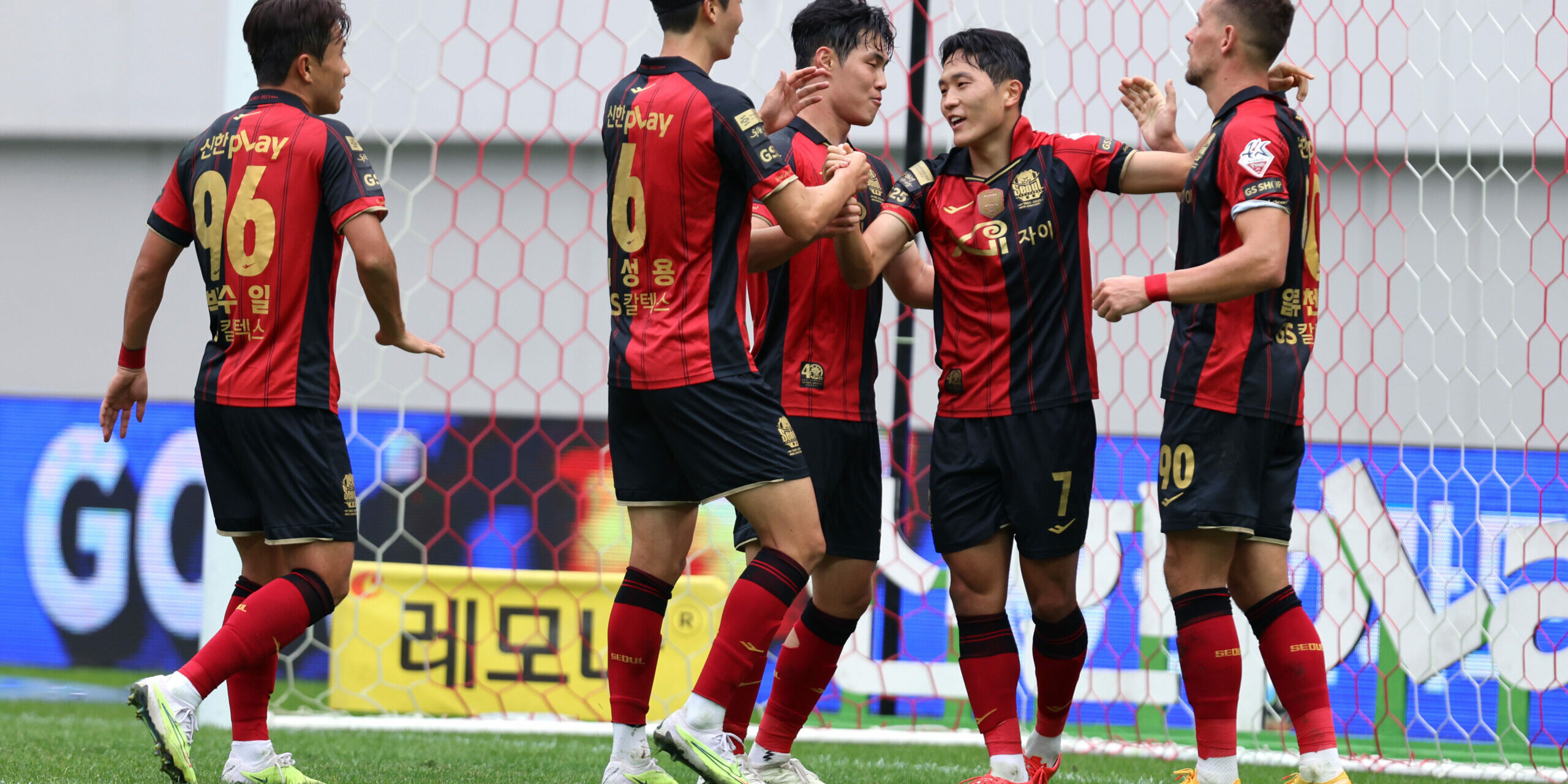
Football in South Korea: Stadiums, Tickets, Access and Matchday Tips
Immersive Matchday Experience
Immersive matchday vibes in Korea — filmed during the Korea vs Ghana game. Here’s what football truly feels like from the inside.
Football in Korea: A Quick Overview
Football in South Korea is more than a sport. It is a shared cultural experience celebrated by families, students, co-workers and passionate fans. Watching a live match is one of the best ways for travellers to discover Korean energy and everyday culture.

Son Heung-min
Major Football Stadiums in South Korea
Seoul World Cup Stadium (Seoul)
Location: Mapo-gu, Seoul
Subway: Line 6 – World Cup Stadium Station (Exit 2 or 3)
Home team: FC Seoul
Capacity: Around 66,000
The largest and most iconic stadium in Korea, located close to Hongdae with many food stalls around the area.
Suwon World Cup Stadium (Suwon)
Access: Suwon Station → Bus 7 or 7-2
Home team: Suwon Samsung Bluewings
Capacity: Around 44,000
Known for its passionate supporters and strong K-League atmosphere.
Incheon Football Stadium (Incheon)
Subway: Suin-Bundang Line – Dowon Station
Home team: Incheon United FC
Capacity: Around 20,000
A compact and immersive stadium located near Chinatown, perfect for grabbing street food before or after the match.
Jeonju World Cup Stadium (Jeonju)
Home team: Jeonbuk Hyundai Motors
Famous for hosting one of the most loyal fanbases in Korean football.
Busan Asiad Stadium (Busan)
Subway: Line 3 – Sports Complex Station
A wide, open and family-friendly stadium, ideal during any trip to Busan.
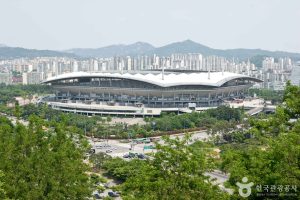
ⓒKorea Tourism Organization – Jeon Hyeongjun
How to Buy Football Tickets in Korea
Interpark (Global)
The most widely used platform for concerts and sports events in Korea. English-friendly and commonly used for K-League matches.
Ticketlink
A reliable option for football tickets. Easy to use and often available even for last-minute purchases.
Official Club Websites
Each K-League club sells its own tickets through their official website. This option is often cheaper and involves fewer service fees.
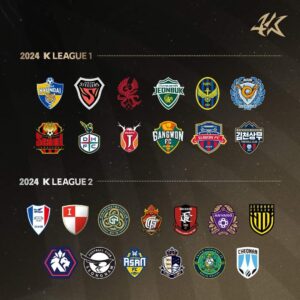
League
Ticket Prices
- General seats: 10,000–20,000 KRW
- Premium zones: 25,000–40,000 KRW
- VIP: 60,000–100,000+ KRW
Korean football is affordable compared to many countries
Ulsan
Women’s Football in South Korea
Korean Women’s National Team (Taeguk Nangja)
The South Korean women’s national team, known as the Taeguk Nangja, has grown significantly over the past decade. The team regularly competes in the AFC Women’s Asian Cup, the FIFA Women’s World Cup, and major regional tournaments.
South Korea is known for its disciplined style of play, strong midfield, and talented technical players.
Main Stadiums for Women’s Matches
Women’s national and club matches are generally held in mid-sized stadiums around the country, including:
- Incheon Football Stadium
- Seoul World Cup Auxiliary Stadium
- Suwon Sports Complex
- Jeonju Auxiliary Stadium
These venues offer an intimate and accessible matchday experience for fans.
WK League (Women’s Professional League)
The WK League is the top division of women’s football in South Korea. The season usually runs from March to October and features talented Korean players as well as international athletes.
Well-known teams include:
- Incheon Hyundai Steel Red Angels
- Suwon FC Women
- Gyeongju KHNP Women’s FC
- Seoul City Women’s FC
Ticket Information for Women’s Matches
Most WK League matches are extremely affordable and often free or under 10,000 KRW. Tickets are usually available directly at the stadium or through simple reservation links on the clubs’ websites.
Attendance is family-friendly, relaxed, and ideal for travellers who want a quieter but authentic football atmosphere in Korea.
Why Attend a Women’s Match in Korea?
Women’s football offers a very different atmosphere from men’s K-League matches: closer to the pitch, more relaxed, and very community-oriented. The level of play continues to grow every year, and international visitors often find it a hidden gem of Korean sports culture.